

Heavy Duty Hinges Australia: Types, Load Ratings and Industrial Applications — A Practical Guide
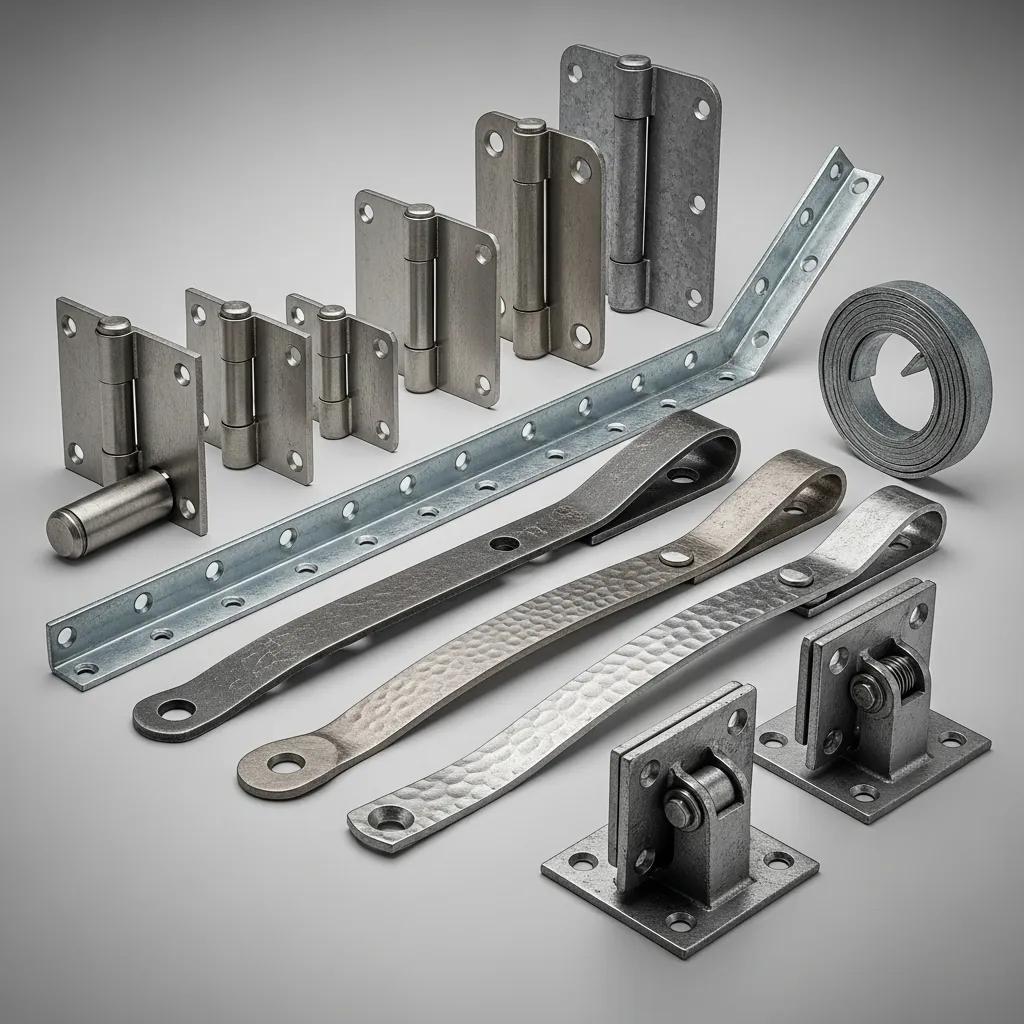
Heavy‑duty hinges keep heavy doors, gates and machinery working safely and reliably across industrial sites. Choosing the right hinge means understanding the common hinge types, how load ratings are established, which materials resist corrosion best, and how to install and maintain them correctly. This guide walks through the hinges most used in Australia, how their load limits are measured, the materials suited to different environments, and practical installation and upkeep tips so you can pick the best hinge for the job.
What Are the Main Types of Heavy Duty Hinges Used in Australia?
Heavy‑duty hinges are made in several designs to meet different load and mounting needs. The main varieties are butt hinges, continuous (piano) hinges, strap hinges and pivot hinges — each designed for particular strengths and mounting situations.
How Do Butt, Continuous, Strap, and Pivot Hinges Differ?
Butt hinges consist of two leaves joined by a pin and are a versatile option for many doors and gates, supporting moderate to heavy loads. Continuous or piano hinges run the full length of the door, distributing weight evenly for greater strength. Strap hinges have long plates that extend across the surface, giving extra support for heavy or outward‑swinging doors, especially outdoors. Pivot hinges rotate around a fixed point and suit very large or heavy doors that need smooth, controlled movement.
Which Hinge Types Suit Industrial, Automotive, and Architectural Applications?
Continuous hinges are common in industrial environments because they spread load and tolerate frequent use. Strap hinges are favoured for agricultural and exposed outdoor installations where robustness matters. Automotive applications typically use butt hinges for doors and hoods, while pivot hinges are often chosen in architectural settings for large access panels or doors that require a refined, easy swing.
How Are Load Ratings Determined for Heavy Duty Hinges?
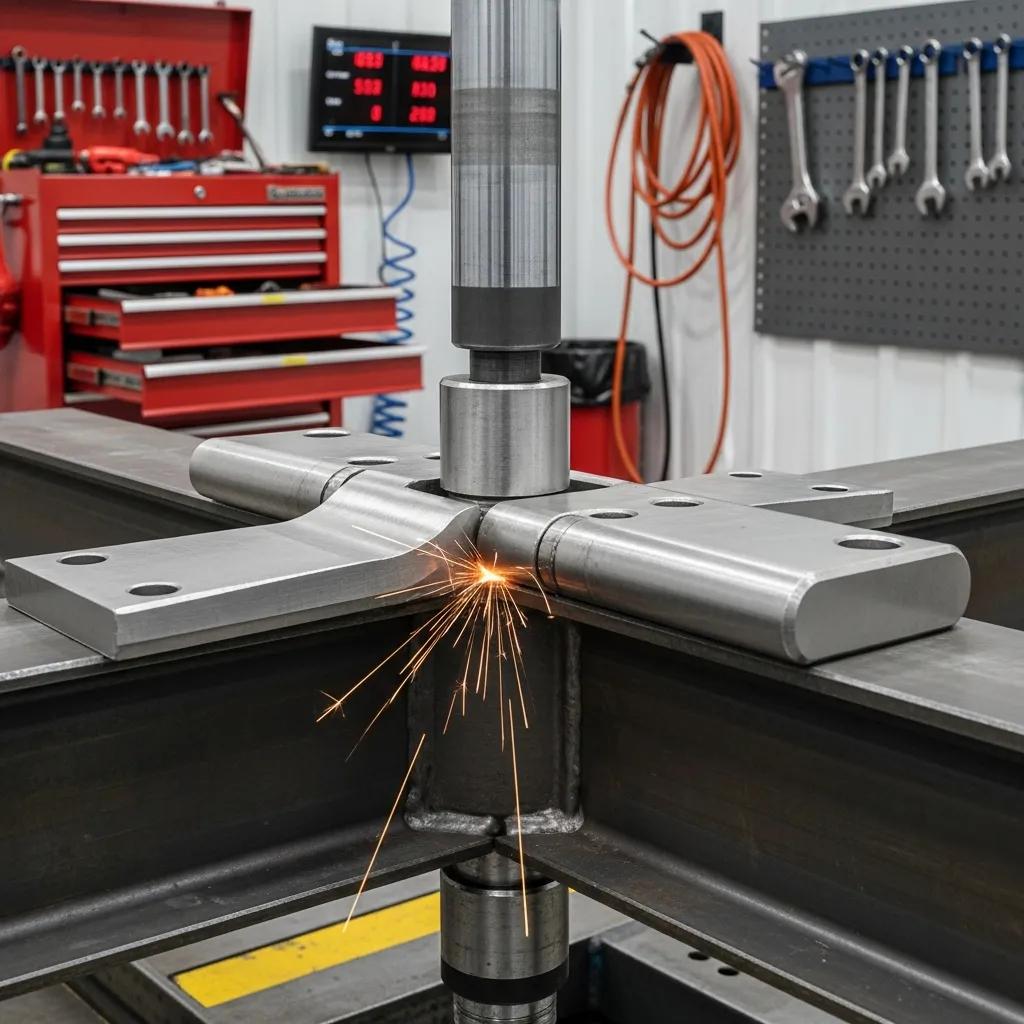
Load ratings reflect how much weight a hinge can carry safely and are influenced by hinge design, material, and intended use. Knowing these ratings prevents underspecifying hardware and reduces the risk of premature failure.
What Standards and Testing Methods Define Hinge Load Capacity?
In Australia, hinge load capacities are guided by standards from bodies such as Australian Standards (AS) and ISO. Testing usually applies a specified load to the hinge and records performance under stress to establish a safe working limit. These standardised tests give a reliable baseline for comparing hinges across different manufacturers and uses.
How to Calculate Load Capacity for Industrial Hinge Selection?
To size hinges, account for the door or gate weight, how many hinges will be fitted, and how that weight is shared among them. A straightforward rule of thumb is:
Use this calculation as a starting point, then check manufacturer ratings and recommended safety margins for the application.
Which Materials Provide Optimal Corrosion Resistance for Industrial Hinges in Australia?
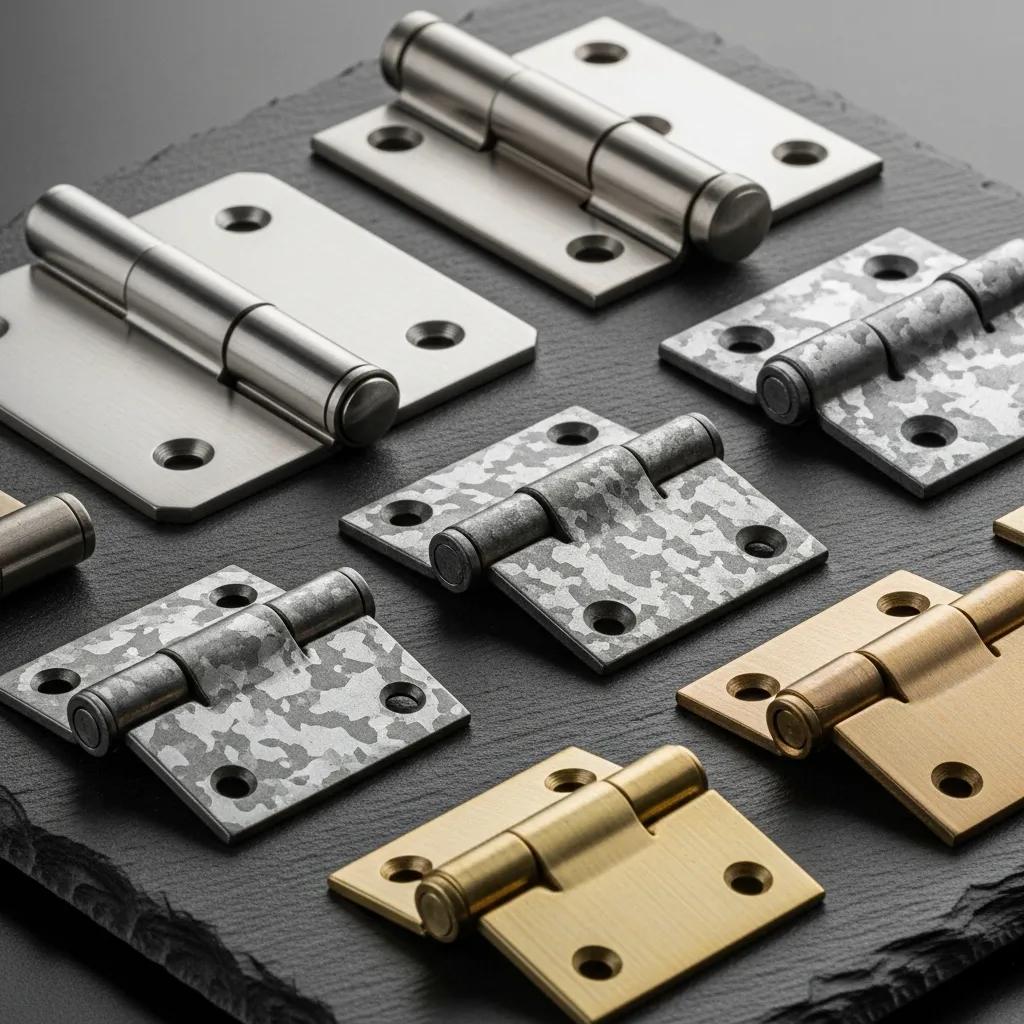
Material selection directly affects hinge lifespan, especially where moisture, salt or chemicals are present. Stainless steel, galvanized steel and brass are common choices, each offering different levels of protection and aesthetic appeal.
What Are the Benefits of Stainless Steel, Galvanized Steel, and Brass Hinges?
Stainless steel delivers the best resistance to rust and corrosion, making it the go‑to option for coastal or humid sites. Galvanized steel uses a zinc coating to protect the base metal and is cost‑effective for outdoor use, though it benefits from periodic inspection. Brass offers an attractive finish and reasonable corrosion resistance for less demanding environments, and is often chosen where appearance matters.
How Do Coastal Australian Conditions Influence Material Choice?
Coastal locations expose hardware to salt spray and high humidity, which accelerates corrosion. For these conditions, stainless steel is usually the safest choice for heavy‑duty hinges. Galvanized options can work with a planned maintenance schedule, but choosing the appropriate grade and protective finish is important to maximise service life.
Where Can You Find Reliable Industrial Hinge Suppliers in Australia?
Purchasing hinges from reputable suppliers ensures product quality, traceable materials and compliance with relevant standards. Look for manufacturers and distributors who specialise in industrial hardware and offer technical documentation and support.
What Are the Leading Australian Manufacturers and Distributors of Heavy Duty Hinges?
Australia has several suppliers focused on heavy‑duty and industrial hardware, including manufacturers that provide standard ranges and custom solutions. Compare product specifications, lead times and after‑sales support to find suppliers that match your project requirements.
How to Evaluate Supplier Quality and Compliance with Australian Standards?
When assessing suppliers, review product datasheets, test certificates and any relevant AS or ISO conformity claims. Check customer feedback and ask about the materials and testing methods used so you can verify load ratings and expected durability for your application.
What Are the Best Practices for Installing and Maintaining Heavy Duty Hinges?
Correct installation and routine maintenance are essential to get the rated performance and long life from heavy‑duty hinges. Follow manufacturer guidance and industry best practices to avoid common failures.
How to Properly Install Heavy Duty Hinges for Maximum Load Support?
Ensure hinges are straight and accurately aligned, and fasten them with the correct grade and length of screws or bolts into solid backing. Use the recommended number of hinges and space them so the door weight is distributed evenly — this prevents overloading a single hinge and reduces wear.
What Maintenance Steps Ensure Longevity and Performance of Industrial Hinges?
Regular maintenance should include cleaning away grit and salt, lubricating pins and moving parts, and inspecting for loose fixings or corrosion. Addressing wear early — tightening fasteners, replacing worn pins or refinishing protective coatings — keeps hinges operating smoothly and extends service life.
LET’S STAY IN TOUCH
Get priority to all our exclusive offers