

Industrial Fasteners Australia: A Complete Guide to Types, Grades & Applications for Informed Selection and Purchase
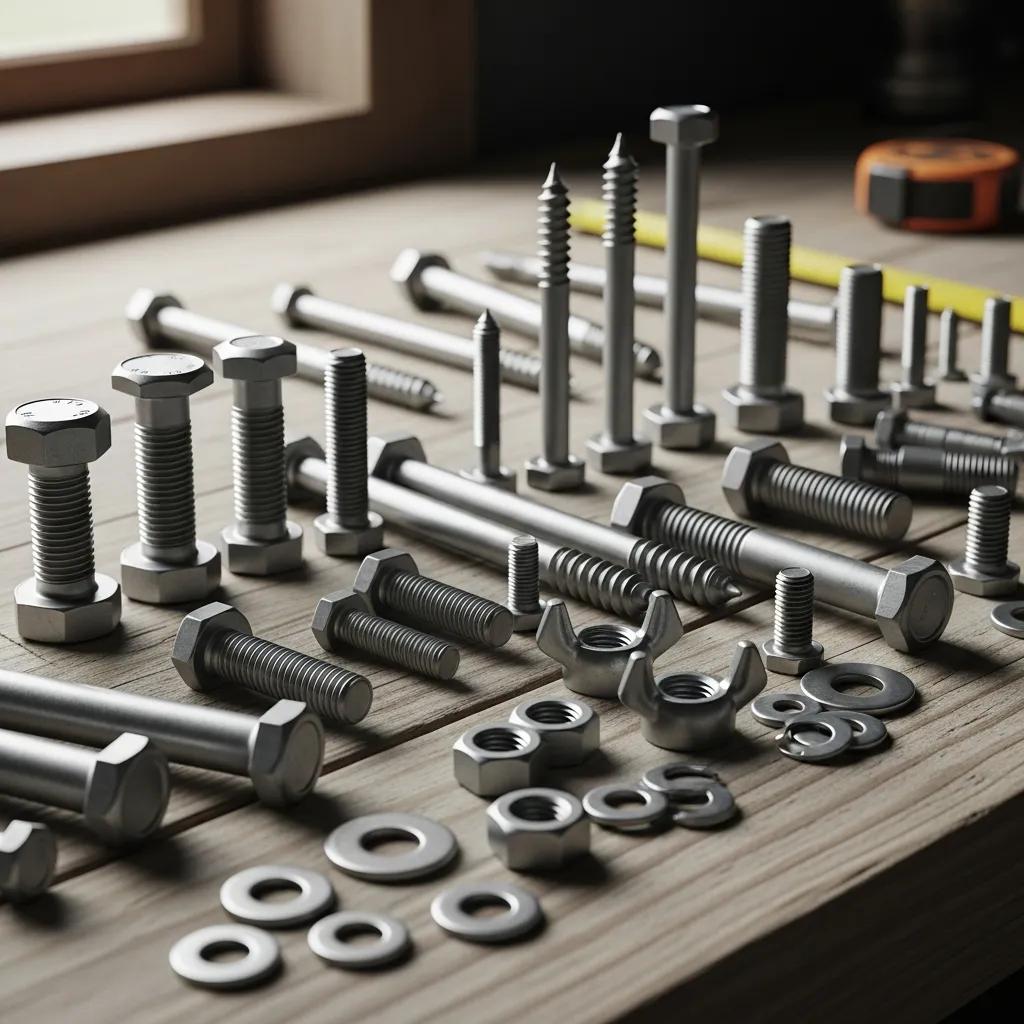
Industrial fasteners are essential components in various sectors, providing the necessary connections and support for structures and machinery. This comprehensive guide delves into the types, grades, and applications of industrial fasteners in Australia, equipping readers with the knowledge to make informed decisions. Understanding the nuances of fasteners is crucial, as the wrong choice can lead to structural failures or safety hazards. Throughout this article, we will explore the main types of fasteners, their classifications, key applications across industries, compliance standards, and the latest market trends. By the end, readers will have a clear understanding of how to select the right fasteners for their specific needs.
What Are the Main Types of Industrial Fasteners Used in Australia?
Industrial fasteners are hardware devices that mechanically join or secure two or more objects together. They come in various forms, each designed for specific applications and environments. The most common types of industrial fasteners include bolts, nuts, screws, washers, rivets, and toggle latches. Each type serves a unique purpose and is selected based on the requirements of the project at hand.
How Do Bolts, Nuts, Screws, Washers, Rivets, and Toggle Latches Differ in Industrial Use?
Bolts are typically used in conjunction with nuts to create a strong, secure connection. They are often employed in heavy-duty applications where high tensile strength is required. Nuts, on the other hand, are used to fasten bolts and provide a secure hold. Screws are versatile fasteners that can be used in a variety of materials, including wood and metal, and are often chosen for their ease of installation. Washers are used to distribute the load of a fastener and prevent damage to the surface being fastened. Rivets are permanent fasteners that are used in applications where a strong, unmovable joint is necessary, such as in aircraft and structural steelwork. Toggle latches are mechanical fasteners designed to securely hold two components together with a quick-release mechanism, commonly used in cases, doors, and panels where frequent access is required.
Which Fastener Types Are Best Suited for Automotive, Industrial, and Architectural Applications?
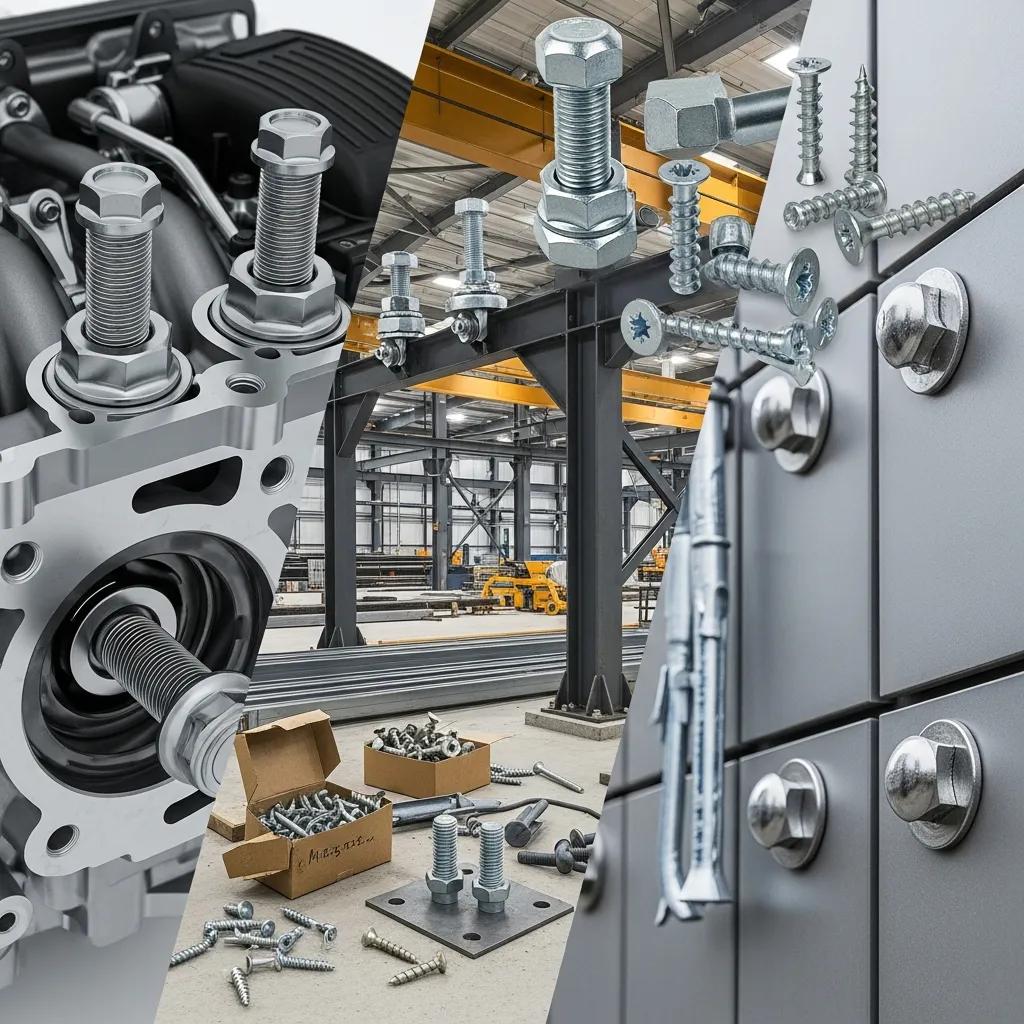
In automotive applications, high-strength bolts and nuts are essential for ensuring safety and performance. Industrial applications often require a mix of screws, bolts, and toggle latches, depending on the load and environmental conditions. For architectural projects, aesthetic considerations may lead to the use of decorative screws, rivets, and toggle latches that also meet structural requirements. Understanding the specific needs of each application is crucial for selecting the appropriate fastener type.
How Are Fastener Grades Classified and What Do They Mean for Performance?
Fastener grades are classifications that indicate the strength and material properties of a fastener. These grades are essential for ensuring that the fasteners can withstand the loads and stresses they will encounter in their applications. The classification system helps engineers and builders select the right fasteners for their projects, ensuring safety and durability.
What Are the Common Material Grades and Tensile Strengths for Australian Fasteners?
Common material grades for fasteners in Australia include Grade 4.6, Grade 8.8, and Grade 10.9, each representing different tensile strengths and material properties. For instance, Grade 8.8 bolts have a minimum tensile strength of 800 MPa, making them suitable for high-stress applications. The choice of material grade directly impacts the performance and safety of the fastener in its intended application.
Why Is Choosing the Right Fastener Grade Critical for Durability and Safety?
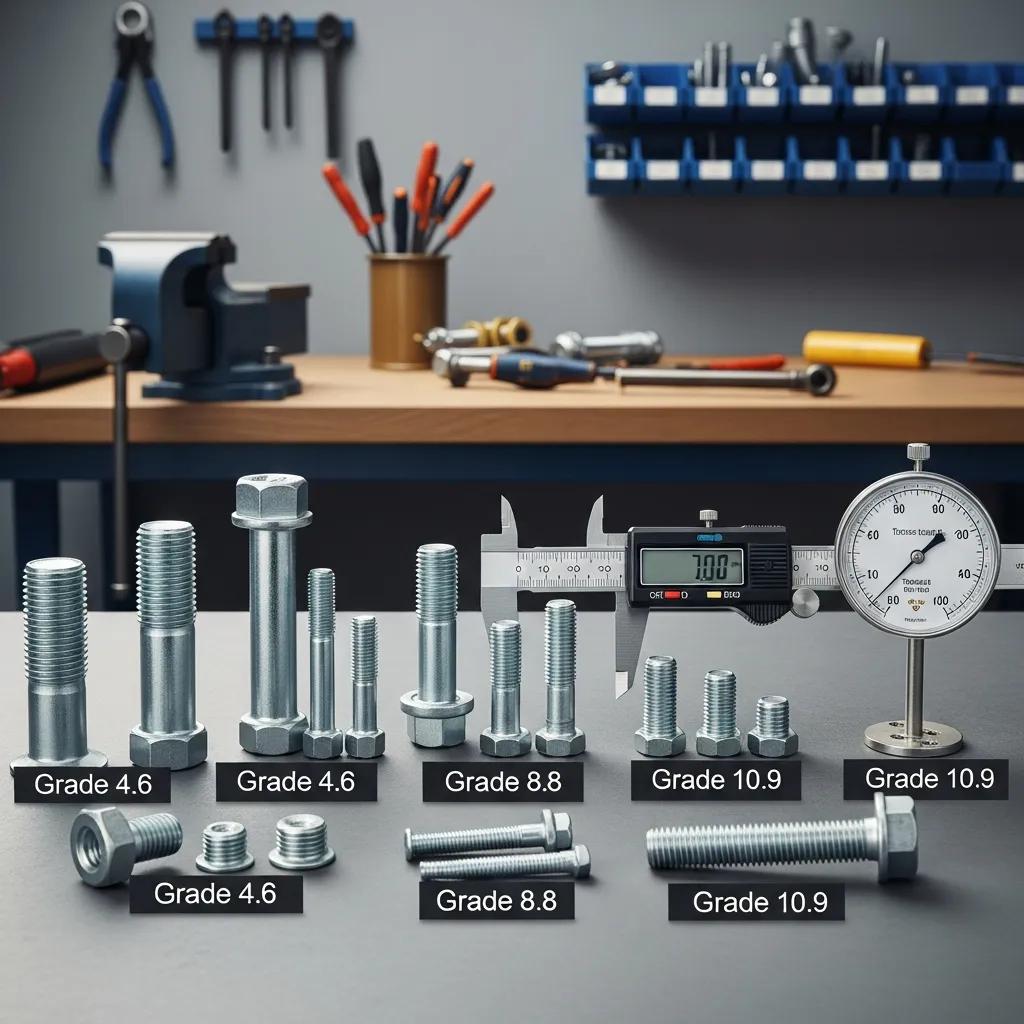
Selecting the appropriate fastener grade is critical for ensuring the longevity and safety of a structure. Using a fastener with insufficient strength can lead to failures, resulting in costly repairs and potential safety hazards. Case studies have shown that improper fastener selection has led to structural collapses, highlighting the importance of adhering to industry standards and guidelines.
What Are the Key Applications of Industrial Fasteners Across Australian Industries?
Industrial fasteners are utilized across various sectors, including construction, automotive, and manufacturing. Each industry has specific requirements that dictate the types of fasteners used, ensuring that they meet safety and performance standards.
How Are Fasteners Used Differently in Industrial, Automotive, and Architectural Sectors?
In the industrial sector, fasteners are often used in machinery and equipment assembly, where strength and reliability are paramount. Automotive applications require fasteners that can withstand vibrations and dynamic loads, necessitating the use of high-strength materials. In architectural applications, fasteners must not only provide structural integrity but also meet aesthetic standards, often leading to the use of specialized fasteners such as toggle latches for functional and design purposes.
What Are Case Studies Demonstrating Effective Fastener Use in Australian Projects?
Several Australian projects have showcased the effective use of industrial fasteners. For example, the construction of the Sydney Harbour Bridge utilized high-strength bolts to ensure the structural integrity of the iconic landmark. Similarly, automotive manufacturers have implemented advanced fastening techniques to enhance vehicle safety and performance, demonstrating the critical role of fasteners in successful project outcomes.
Which Australian Standards and Compliance Requirements Govern Industrial Fasteners?
Compliance with Australian standards is essential for ensuring the quality and safety of industrial fasteners. These standards provide guidelines for manufacturing, testing, and performance, helping to maintain industry integrity.
What Are the Relevant AS/NZS Standards for Fastener Quality and Safety?
The AS/NZS standards relevant to fasteners include AS 1110 for bolts and screws, AS 1252 for high-strength bolts, and AS 4100 for steel structures. These standards outline the requirements for material properties, testing methods, and performance criteria, ensuring that fasteners meet the necessary safety and quality benchmarks.
How Do Compliance Standards Impact Fastener Selection and Supplier Choices?
Compliance standards significantly influence fastener selection and supplier choices. Manufacturers and builders must ensure that the fasteners they use comply with relevant standards to avoid legal liabilities and ensure safety. This often leads to a preference for suppliers who can provide certified products that meet these stringent requirements.
Where Can You Find Reliable Industrial Bolt Suppliers and Stainless Steel Fasteners in Australia?
Finding reliable suppliers for industrial bolts and stainless steel fasteners is crucial for ensuring quality and availability. Various factors should be considered when selecting a supplier, including product range, reliability, and customer service.
What Should You Look for When Choosing Heavy Duty Fastener Suppliers?
When selecting heavy-duty fastener suppliers, consider the following criteria:
- Product Quality: Ensure that the supplier offers high-quality fasteners that meet industry standards.
- Range of Products: A diverse product range allows for better project flexibility and options, including toggle latches and other specialized fasteners.
- Customer Support: Reliable customer service can assist with technical inquiries and order management.
How Do Supplier Locations and Offerings Affect Fastener Availability and Pricing?
Supplier locations can significantly impact fastener availability and pricing. Suppliers located near major industrial hubs may offer faster delivery times and lower shipping costs. Additionally, suppliers with a broad range of offerings can provide competitive pricing, making them more attractive to buyers.
What Are the Latest Market Trends and Innovations in Australian Industrial Fasteners for 2026?
The industrial fastener market is evolving, with new trends and innovations shaping the future of fastener technology. Understanding these trends is essential for staying competitive in the industry.
Why Is There a Growing Demand for Corrosion-Resistant and High Tensile Fasteners?
There is an increasing demand for corrosion-resistant and high tensile fasteners due to the growing awareness of environmental factors affecting material performance. Industries are seeking fasteners that can withstand harsh conditions, leading to innovations in materials and coatings that enhance durability and longevity.
How Are New Materials and Technologies Shaping Fastener Performance and Applications?
Advancements in materials science and manufacturing technologies are revolutionizing fastener performance. New materials, such as advanced alloys and composites, are being developed to meet the demands of modern applications, providing enhanced strength and resistance to environmental factors. These innovations are expected to drive the market forward, offering improved solutions for various industrial needs.
LET’S STAY IN TOUCH
Get priority to all our exclusive offers